
Page Updated:
Your eyes are one of the first things people notice about you, and they are often the first place where the effects of aging become visible. Sagging skin, heavy upper lids, persistent eye bags, and dark shadows can make you look tired or older than you feel, even when you are well-rested. Blepharoplasty offers a precise, surgical solution that no amount of eye cream or injectable treatment can fully replicate.
At Yorkville Institute of Plastic Surgery in Toronto, Dr. Lawrence Tong performs upper eyelid surgery, lower eyelid surgery, and combined upper and lower blepharoplasty for patients seeking a refreshed, natural-looking result. Whether your concerns are functional, cosmetic, or both, Dr. Tong will guide you through every step of the process.
What Is Blepharoplasty?
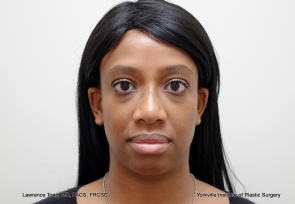
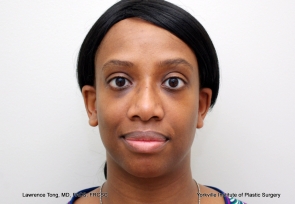
No feature ages a face quite as quickly as the eyes. Blepharoplasty (commonly called eyelid surgery or an eyelid lift) is a surgical procedure that reverses the signs of aging in the upper lids, the lower lids, or both.1 Upper lid blepharoplasty is a relatively straightforward procedure that involves removal of skin and possibly fat from the upper lids. Performing the procedure requires an excellent aesthetic sense and precise surgical skill. Lower lid blepharoplasty is even more technically demanding, which is why the choice of surgeon matters enormously. Dr. Tong is highly experienced and very comfortable with all aspects of upper and lower eyelid surgery.
Signs of Aging in the Upper Lids
The Upper Lid Aesthetic Ideal
The upper lids should have a clean, crisp, and uniform crease height. There should be no hanging skin touching the lashes, and the skin itself should ideally be smooth and wrinkle-free.
Common Upper Lid Changes With Aging
- Excess skin that hangs over the lashes, giving a tired, sad, or angry appearance
- Loss of a well-defined lid crease, with skin that appears wrinkled or crepe-like
- Difficulty applying eye makeup due to excess skin
- Bulging fat in the inner corner of the upper lid
- Upper lid fat loss over time, causing a gaunt, hollowed appearance
- Patients may have both loss of fat and/or excess bulging fat
- In some cases, upper visual field obstruction due to excessive skin overhang
Signs of Aging in the Lower Lids
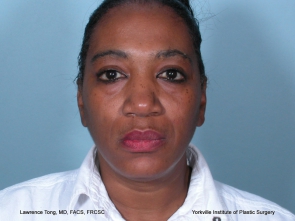
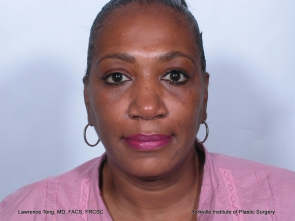
The Lower Lid Aesthetic Ideal
The lower lids should have a smooth, seamless transition to the cheek, free of bulges or fat bags. The skin should be tight, and the lid margin should sit at or slightly above the lower edge of the iris.
Common Lower Lid Changes With Aging
- Eye bags caused by protruding fat pads, which create a persistently tired or worn-out appearance
- Crepe-like skin and fine wrinkles from loss of elasticity due to aging and sun exposure
- Dark circles caused by shadows cast by protruding fat or deeper pigmentation in the lower lid region
What Does Blepharoplasty Accomplish?
Blepharoplasty helps to reverse the signs of aging in the upper and lower eyelids. Specifically, blepharoplasty can:
- Remove fat pockets in the upper and/or lower lids
- Eliminate excess eyelid skin
- Smooth out wrinkles and crepe-like skin
- Reduce the appearance of dark circles in the lower lids
- Correct eyelid drooping (upper and/or lower lids) caused by aging
Who Is a Candidate for Blepharoplasty?
Anyone with signs of aging in the upper and/or lower lids may benefit from blepharoplasty. During a consultation, Dr. Tong will assess your anatomy, health history, and goals to confirm whether you are a suitable candidate.
Patients should be generally healthy and relatively fit. Smokers should stop at least two weeks before surgery and avoid smoking for at least six weeks afterward. It is important to inform Dr. Tong of any dry eye issues or thyroid conditions, as these may affect the procedure and recovery.2
Upper vs. Lower Blepharoplasty: Key Differences
Upper Lid vs. Lower Lid Blepharoplasty
Upper and lower lid blepharoplasty are distinct operations with different techniques, goals, and risks. In general, the primary concern with the upper lid is excess skin, while the primary concern with the lower lid is fat bags and their effects on the contour of the lower lid. Lower lid blepharoplasty tends to be more technically demanding than upper lid blepharoplasty. (Mayo Clinic, 2020)
Skin Removal
In the upper lid, skin removal restores a clean, consistent crease and addresses crepe-like wrinkling.
In the lower lids, skin removal must be approached very carefully. Removing too much lower lid skin can lead to a pulled, unnatural appearance and functional complications such as dry eyes, inability to fully close the eyes, or a sad-looking result.
Fat Removal and Fat Repositioning
In the lower lids, fat removal is appropriate when eye bags are present. However, over-removal can create a hollow, aged appearance. For this reason, Dr. Tong frequently repositions excess lower lid fat rather than removing it outright, using it to soften the lower lid/cheek junction and the tear trough region. Additionally, fat grafting can be used when there is insufficient native fat for this purpose.
In the upper lids, fat must be removed conservatively and only in the appropriate areas. Since fat loss is itself a sign of aging in the upper lids, removing too much can exacerbate a skeletonized appearance.
How Is Blepharoplasty Performed?
Dr. Tong performs blepharoplasty in the private, CPSO-accredited operating suites at Yorkville Institute of Plastic Surgery in Toronto. For select patients, upper lid blepharoplasty may be performed under local anesthetic alone. Otherwise, IV sedation or general anesthesia is the anesthesia of choice.
Upper Eyelid Blepharoplasty
Dr. Tong begins by carefully designing skin markings on the upper lids prior to surgery. After anesthesia is administered, he makes an incision within the natural lid crease and removes the appropriate amount of excess skin. When indicated, he removes fat from the upper lid conservatively. If the upper lid is drooping due to the effects of aging (ptosis), Dr. Tong addresses this with specially placed sutures in the eyelid muscles. The incision is then meticulously closed to produce the finest possible scar.
Lower Eyelid Blepharoplasty (Transcutaneous Approach)
Using an incision placed just beneath the eyelashes, Dr. Tong accesses the fat compartments of the lower lid. He performs fat removal and sculpting to eliminate bags and establish a smooth contour. When indicated, he shifts fat into areas of hollowness, such as the tear trough. Any excess skin is removed with great care to avoid over-resection. Additional maneuvers are often used to improve the lid tone to help support the lid position (ie muscle sling/canthopexy/canthoplasty). The incision is meticulously closed with a very fine stitch that is buried under the skin The incision heals remarkably well and is easily concealed with eye makeup.
Transconjunctival Blepharoplasty
When no skin removal is anticipated, lower lid blepharoplasty can be performed through an incision on the inside of the lower lid, leaving no external scar at all. This approach, known as transconjunctival blepharoplasty, is ideal for younger patients or those whose primary concern is fat bags without significant skin laxity. Research published in the PMC/National Library of Medicine (2024) confirms that the transconjunctival approach is associated with reduced swelling, less bruising, lower risk of lid retraction, and faster recovery compared to the external approach.3
Double Eyelid Surgery (Asian Blepharoplasty)
For some patients of Asian heritage, a low-set, indistinct, or non-existent eyelid crease can make the eyes appear smaller and less expressive. Double eyelid surgery, also known as Asian blepharoplasty, is a variation of upper lid blepharoplasty specifically tailored to create a visible lid crease. The procedure eliminates the mono-lid appearance and results in a more alert, open, and expressive look. It is one of the most sought-after procedures in Dr. Tong’s practice, and it is the most widely performed cosmetic surgery in Asia.
For more information, visit our Double Fold / Double Eyelid Surgery page.
What Is Recovery From Blepharoplasty Like?
Immediately After Surgery
After your procedure, you will be transferred to the anesthesia recovery area where nursing staff will monitor your progress as the anesthetic wears off. Once cleared, you may go home accompanied by a friend or family member.
At Home
Rest is the priority in the first several days. You may engage in light, non-strenuous activities, but should avoid reading, watching television, or otherwise straining your eyes in the early recovery period. To minimize swelling and bruising, sleep with your head elevated using multiple pillows or a reclining chair. Some sensitivity to bright light is normal. Dr. Tong will prescribe appropriate pain medication. Bruising typically resolves within one to two weeks.
Follow-Up Schedule
Your first post-operative visit with Dr. Tong will take place approximately one week after surgery. Most patients return to non-strenuous work within seven to ten days. Light exercise, such as walking, is generally permitted at one to two weeks. Strenuous activity should be avoided for four to six weeks. Subsequent follow-up visits are scheduled at six weeks, six months, and one year after surgery.
How Long Do Blepharoplasty Results Last?
Blepharoplasty is intended to reverse the major signs of eyelid aging, though the face will continue to age naturally over time. Results typically last ten or more years, depending on your individual rate of aging, sun exposure, smoking history, and genetics.
In the upper lids, the hooded appearance caused by sagging skin generally does not recur to the same degree even many years later. In the lower lids, removed fat deposits do not regrow, and most patients enjoy lasting improvement. To preserve your results, Dr. Tong recommends:
- Avoiding smoking, which breaks down elastin and accelerates skin sagging
- Wearing quality sunglasses and facial sunscreen daily to minimize UV-related aging
- Incorporating high-quality eye creams and medical-grade skin care products into your routine
A Note on the Brow
Blepharoplasty addresses the eyelids, not the forehead. Some patients also have brow descent or forehead laxity that contributes to the appearance of heavy or hooded upper lids. Dr. Tong evaluates the entire upper face at your consultation and can combine blepharoplasty with a brow lift when comprehensive rejuvenation is the goal.
Will I Have Scars After Blepharoplasty?
Incisions from eyelid surgery heal exceptionally well. The skin of the eyelid is among the thinnest in the body, and with time, scars typically become nearly imperceptible.
Upper Lid Incisions
The incision is placed within the natural lid crease, where it is hidden when the eyes are open and inconspicuous even when closed.
Lower Lid Incisions
Transcutaneous (external) approach: Placed just beneath the lash line. Heals very well and can be concealed with standard eye makeup.
Transconjunctival (internal) approach: Made on the inside of the lower lid. No external scar whatsoever.
Combining Blepharoplasty With Other Procedures
Blepharoplasty can be safely combined with other procedures for more comprehensive facial rejuvenation. Common combinations include:
- Brow lift: Addresses sagging brows and forehead lines alongside eyelid surgery
- Facelift or mini facelift: Comprehensive facial rejuvenation when combined with eyelid surgery
- Fat transfer: Restores lost volume in the periorbital area and midface
- BOTOX® and soft tissue fillers: Non-surgical adjuncts that complement surgical results
Frequently Asked Questions About Blepharoplasty
How much does blepharoplasty cost in Toronto?
The cost of eyelid surgery at Yorkville Institute of Plastic Surgery depends on whether you undergo upper lid blepharoplasty, lower lid blepharoplasty, or both. Fees are reviewed after Dr. Tong has assessed your specific concerns during a consultation, as the scope of each procedure is individualized. Our patient care coordinator will provide a complete price breakdown at that time. For patients seeking financing, the practice accepts Medicard, a reputable third-party healthcare lending company that offers flexible plans for qualified applicants. A consultation fee of $200 + HST is charged at the time of booking and is applied toward any procedure Dr. Tong performs for you.
Is blepharoplasty covered by OHIP or insurance?
In the majority of cases, blepharoplasty is considered cosmetic and is not covered by OHIP. In rare circumstances where excess upper lid skin causes a documented visual field obstruction, there may be grounds for partial coverage. Dr. Tong’s team can advise you on this during your consultation.
What is the difference between upper and lower blepharoplasty?
Upper blepharoplasty primarily addresses excess skin and, when present, excess fat or ptosis (eyelid drooping) of the upper lids. Lower blepharoplasty focuses primarily on fat bags, lower lid skin laxity, and dark circles. The two procedures can be performed together or separately depending on your anatomy and goals.
Am I a good candidate for blepharoplasty?
Good candidates are generally healthy non-smokers (or those willing to stop smoking before and after surgery) who have signs of eyelid aging such as excess skin, fat bags, or drooping. Dry eye conditions and thyroid disorders are important factors that Dr. Tong will review with you at your consultation.
How long is recovery?
Most patients return to non-strenuous work and social activities within seven to ten days. Bruising typically resolves within one to two weeks. Strenuous physical activity is restricted for four to six weeks.
Will the results look natural?
Dr. Tong’s approach prioritizes a refreshed, natural-looking result. Overcorrection, whether from removing too much skin or too much fat, is a primary pitfall of eyelid surgery, and one Dr. Tong is trained to avoid. The goal is to make you look like a well-rested, younger version of yourself.
Can blepharoplasty fix dark circles?
Lower lid blepharoplasty can significantly reduce the appearance of dark circles caused by fat bags and shadowing. Dark circles related to skin pigmentation may also be improved when lower lid skin is tightened and fat is repositioned into the tear trough area.
Schedule a Blepharoplasty Consultation in Toronto
Dr. Tong believes that the educated patient makes better decisions about surgery and surgeon. During your consultation at Yorkville Institute of Plastic Surgery in Toronto, you will have Dr. Tong’s undivided attention to discuss your concerns, review before-and-after photos, and ask questions. No doctor’s referral is needed.
To schedule a consultation, call us at (416) 972-0999, or fill out our contact form and we will follow up on the same or next business day. Virtual consultations are also available.
Blepharoplasty (Eyelid Surgery) at a Glance
Lower Lids: approximately 1.5 hours
- Removing too much fat (creates a skeletonized look)
- Removing too much lower lid skin (lids look pulled and unnatural; risk of ectropion)
References
1 Mayo Clinic. Blepharoplasty. Available at: https://www.mayoclinic.org/tests-procedures/blepharoplasty/about/pac-20385174. Accessed March 20, 2020
2 American Society of Plastic Surgeons. Who is a good candidate for eyelid surgery? Available: https://www.plasticsurgery.org/cosmetic-procedures/eyelid-surgery/candidates. Accessed May 21, 2026.
3 Gupta R, Khosa A, Bansal P, Chaudhury G. Exploring the Versatility of Transconjunctival Blepharoplasty: A Retrospective Single-Center Study. Cureus. 2024 Nov 3;16(11):e72929. doi: 10.7759/cureus.72929. PMID: 39628738; PMCID: PMC11614186. Available: https://pmc.ncbi.nlm.nih.gov/articles/PMC11614186/. Accessed May 21, 2026.
Dr. Lawrence Tong has either authored or reviewed and approved this content.